E-commerceinLithuania—Shopifyreferralandpartnership
We no longer build custom e-commerce stores directly. Instead, we connect you with the right Shopify partner through our referral programme — ensuring you get a proven, scalable solution for your online store. Get in touch at labas@landingas.lt and we will recommend the best fit for your needs.
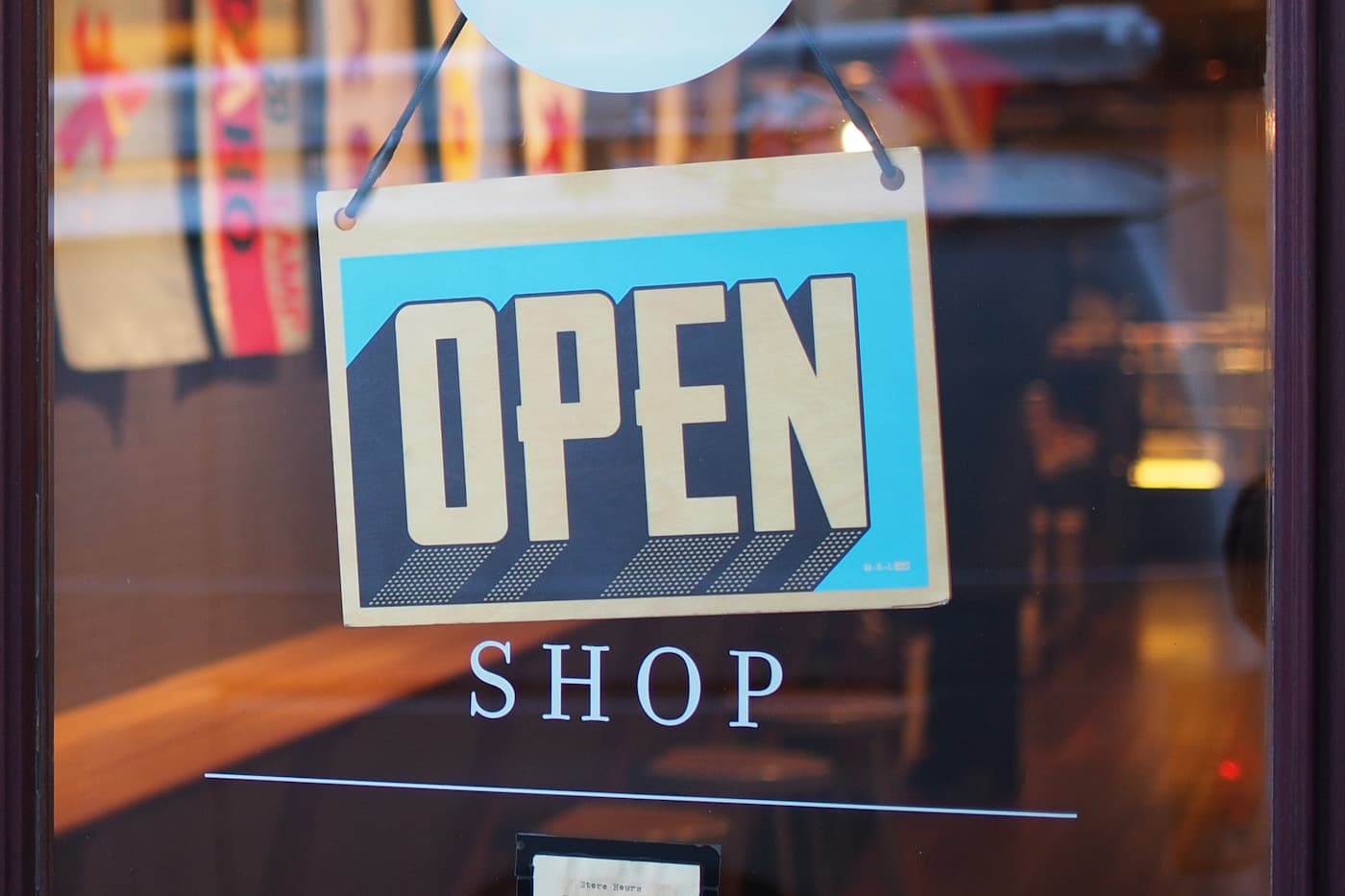
What we build — full custom, no off-the-shelf shortcuts
There is a meaningful difference between an e-commerce store built on a template platform and one built for your specific business. Template platforms like Shopify or WooCommerce work well for standard catalogues, but they impose constraints — on design, on performance, on checkout flow, and on how data is structured. When those constraints conflict with how your business actually works, you end up working around your own website instead of the other way around.
Built in Next.js for performance and flexibility
We build in Next.js because it gives us full control over performance, SEO, and user experience — none of which you get with a theme-based platform. Server-side rendering for product pages means faster load times and better crawlability. Static generation for category pages means near-instant navigation. The result is a store that scores well on Core Web Vitals and converts accordingly.
Designed around your catalogue, not a template
Every store we build starts from your product structure, your brand, and your customers' buying behaviour. We design the product page layout, the cart experience, the checkout flow, and the post-purchase emails to match your specific context — not a generic e-commerce archetype. If you sell configurable products with multiple variants, we design for that. If your customers need to compare technical specifications, we design for that too.
Payment systems in Lithuania — Paysera vs Stripe
Choosing the wrong payment gateway is one of the most common and costly mistakes in Baltic e-commerce. Here is an honest comparison of the two systems we integrate most often.
Paysera — the local standard
Paysera is the dominant payment processor in Lithuania and widely used across Latvia and Estonia. Its key advantage is support for Lithuanian online banking payments (Swedbank, SEB, Luminor, Šiaulių, and others), which remain the preferred payment method for a significant portion of Lithuanian consumers — particularly for larger purchases. Paysera also handles card payments and is straightforward for EU merchants to set up. Transaction fees are competitive for Baltic market volumes. If you are selling primarily to Lithuanian or Baltic customers, Paysera integration is non-negotiable.
Stripe — the international standard
Stripe is the global standard for card payments and the better choice if your customers are predominantly outside the Baltic states, or if you need advanced features like subscription billing, multi-currency support, or complex payout structures. Stripe's developer tooling is excellent, making it easier to build custom checkout flows and handle edge cases. For a Baltic-focused store, Stripe alone will miss customers who prefer local bank transfers. For an internationally-focused store, Stripe alone is usually sufficient.
Our recommendation: both
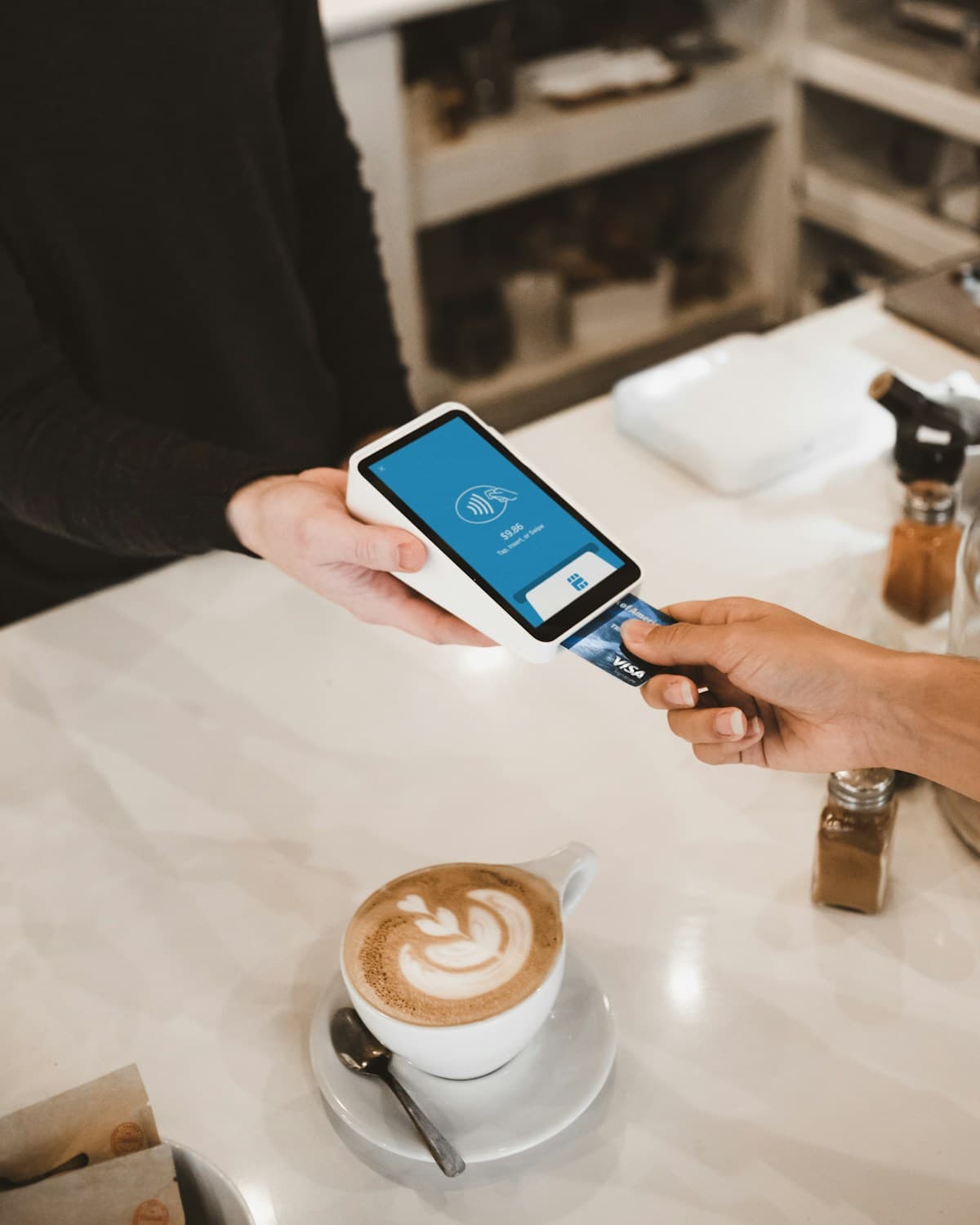
For most of our Lithuanian clients selling to a mixed Baltic and European audience, we implement both Paysera and Stripe in parallel. Customers see a clean unified checkout and choose their preferred method. The integration complexity is handled on our side — you get maximum payment coverage without any friction for your customers. Both integrations are included in the standard e-commerce package.
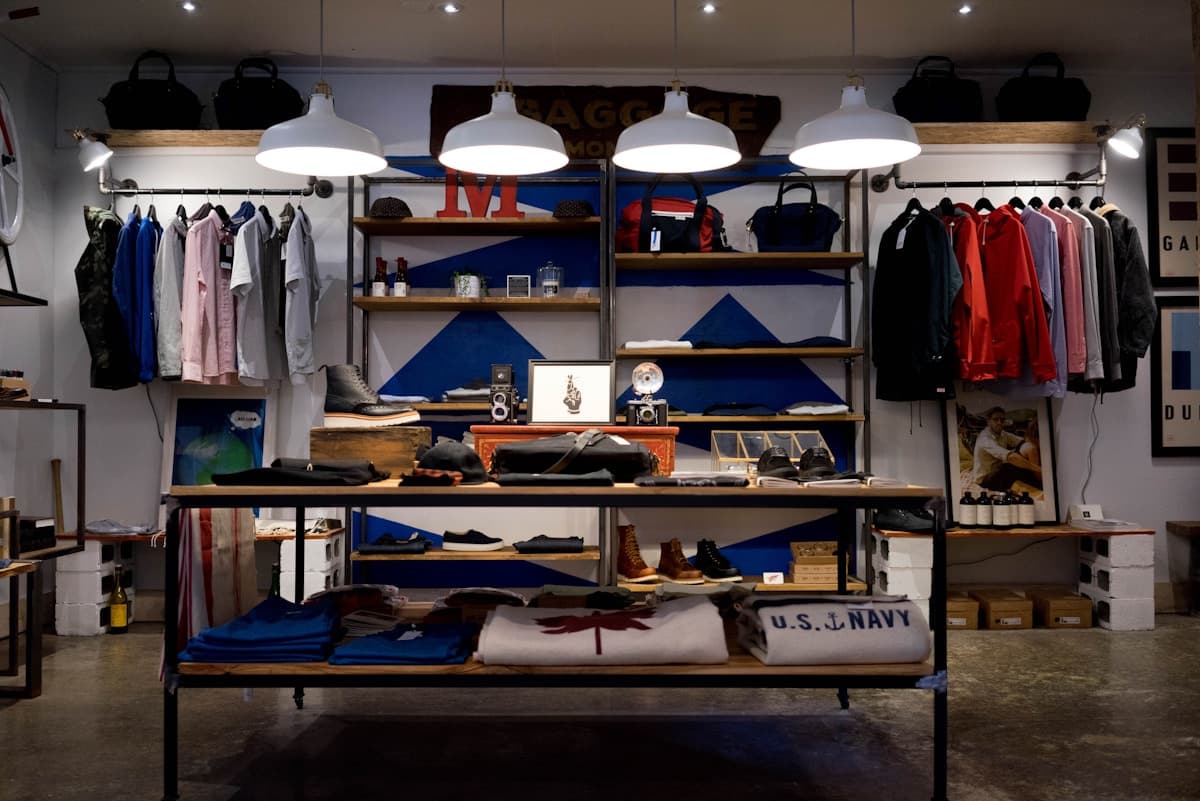
Inventory management and analytics from day one
An online store that launches without proper inventory tracking and analytics is flying blind. We do not let that happen. Every store we build includes stock management with low-inventory alerts, sold-out state handling, variant tracking (size, colour, configuration), and a clear admin interface you can use without technical knowledge. On the analytics side, we set up Google Analytics 4 with e-commerce tracking — revenue by product, conversion funnel analysis, abandoned cart rates, and traffic source attribution. You will know what is working within the first week of trading.
Demo-first web studija
Demo in 3 days. Free. No strings attached.
E-commerce SEO from the ground up
Most e-commerce SEO problems are structural — they come from decisions made during development that are expensive to fix later. We bake SEO into the architecture from the start so you are not paying for a retro-fit audit six months after launch.
Technical SEO for product and category pages
Every product page has a unique, crawlable URL structure, proper canonical tags to prevent duplicate content from variants, structured data (Product schema with price, availability, and reviews), and optimised title and meta description templates. Category pages are designed for topic clustering — grouping related products in a way that builds topical authority over time rather than fragmenting it.
Page speed as a ranking signal
Google's Core Web Vitals are a direct ranking factor for e-commerce. Image optimisation, lazy loading, edge caching, and clean JavaScript bundles are not nice-to-haves — they are built into every store we ship. We run Lighthouse and PageSpeed Insights before launch and address anything below a 90 score.

Process and timeline — 4 to 6 weeks from brief to launch
A realistic timeline broken into phases, so you know exactly what happens when.
- Week 1 — Discovery and architecture: Catalogue audit, payment gateway setup, technical architecture design, core page template planning.
- Week 2 — Design: Full high-fidelity design of product pages, category pages, cart, checkout, and account pages. Client review and sign-off.
- Weeks 3–4 — Development: Next.js build, CMS integration, payment gateway connections, inventory management, email transactionals.
- Week 5 — QA and content: Full cross-device testing, product import, SEO implementation, analytics verification.
- Week 6 (if needed) — Soft launch and training: Staged launch, admin dashboard walkthrough, handover documentation.
Pricing
We refer e-commerce projects to our Shopify partners. Contact us at labas@landingas.lt to discuss your requirements — we will match you with the right Shopify solution and ensure a smooth handoff.
- Shopify referral — we connect you with the right partner
- Consultation on platform choice — free, no commitment
- Contact us via
- Or email: labas@landingas.lt
Frequently asked questions.
Build an online store that sells
Tell us about your product catalogue and target market. We will connect you with the right Shopify solution.